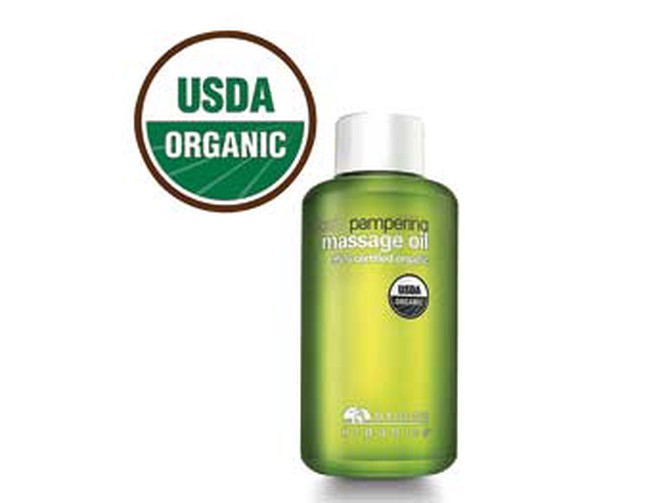
Photo: Courtesy of Origins Organics
USDA Organic
The organization: The United States Department of Agriculture, which provides leadership on food, agriculture, and natural resources.
What's in the product: At least 95 percent natural ingredients that are certified organic (natural and grown without certain pesticides or fertilizers) by the USDA's National Organic Program.
What's not: Any nonagricultural ingredients not approved for use by the NOP (like parabens and phthalates).
Animal testing: Not a criterion
A few who've earned it: Origins Organics, Juice Beauty, Revolution Organics, Organicare, Organic Essence, Nature's Gate Rainwater Organic lotions.
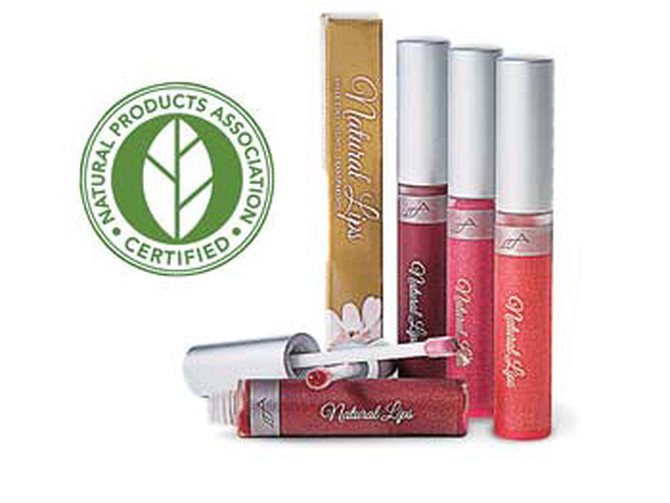
Photo: Courtesy of Aubrey Organics
Natural Products Association
The organization: A nonprofit founded in 1936 that represents thousands of retailers, manufacturers, wholesalers, and distributors of natural products, including cosmetics.
What's in the product: At least 95 percent natural ingredients (defined as renewable flora, fauna, or minerals that have not been processed using synthetic chemicals).
What's not: Synthetic ingredients (includes parabens, phthalates, and sodium laureth sulfate) that have a suspected potential health risk, like endocrine disruption, or those (like chemical sunscreens) for which an effective natural alternative exists.
Animal testing: No
A few who've earned it: Certain products from Burt's Bees, Aubrey Organics, and J.R. Watkins.
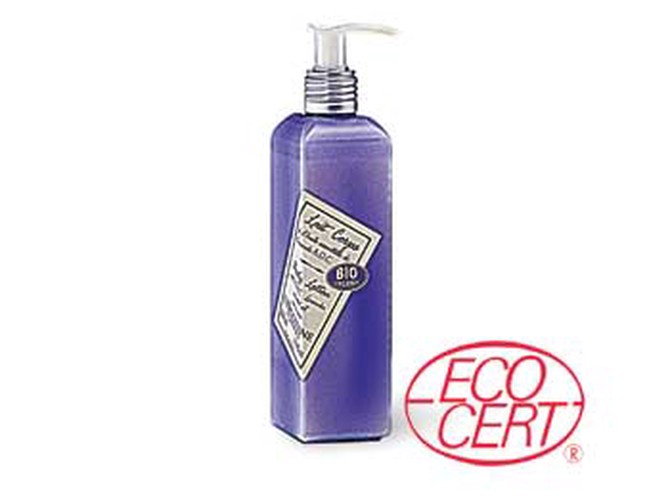
Photo: Courtesy of L'Occitane
ECOCERT
The organization: An internationally recognized, private organic certification organization founded in France in 1991 that conducts inspections in 80 countries.
What's in the product: At least 95 percent natural ingredients; at least 10 percent certified organic ingredients (and environmentally conscious packaging).
What's not: Most synthetic ingredients, including fragrances and colorants, parabens, petrochemicals, and silicones.
Animal testing: No
A few who've earned it: Physicians Formula Organic Wear Makeup, Care by Stella McCartney skincare, some L'Occitane (above) products.
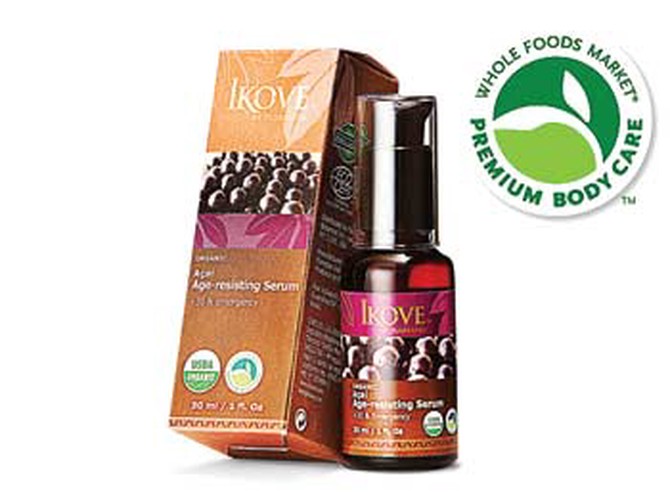
Photo: Courtesy IKove
Whole Foods Market Premium Body Care
The organization: A nationwide chain of grocery stores that specializes in natural and organic products.
What's in the product: "Primarily" natural ingredients (there is no specific qualifying percentage).
What's not: More than 5 percent petroleum, or any of over 250 synthetic ingredients, including parabens, sodium lauryl and laureth sulfates, polypropylene glycol, chemical sunscreens.
Animal testing: No
A few who've earned it: Certain products from EO, Alaffia, and Ikove.
From the January 2009 issue of O, The Oprah Magazine
Get the Live Your Best Life Newsletter
Advice for growing and discovering your best self.
By entering your email address, you agree to our Terms of Use and acknowledge the Privacy Policy. OWN and its affiliates may use your email address to provide updates/news, ads, and offers.
To withdraw your consent or learn more about your rights, see the Privacy Policy.