
Radiation Fallout: Which Screenings Are Safe?
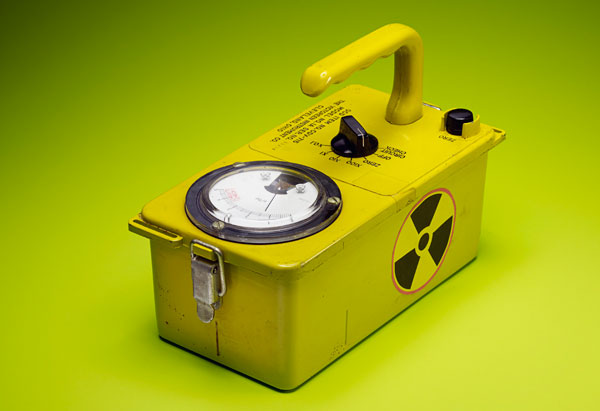
Photo: Levi Brown
High-tech screenings could be exposing you to unnecessary radiation. Mehmet Oz, MD, explains how to dial down your dose.
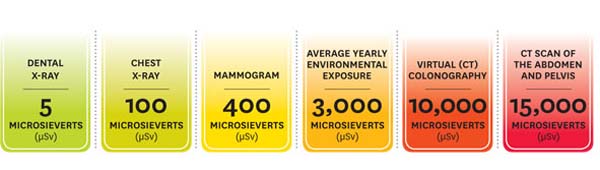
Radiation is all around us—we absorb it every day from gases, minerals, and sunlight—and in small amounts, it's nothing to worry about. But Americans today are exposed to seven times more radiation from diagnostic medical imaging tests than they were 30 years ago—thanks to the expanded use of X-rays, computed tomography (CT) scans, and mammograms.
CT scans are the biggest culprits, delivering as much as 500 times the radiation of a standard X-ray, and potentially causing an estimated 1.5 to 2 percent of all cancers in the United States. More than 16 million CT scans were performed in hospital emergency rooms in 2007, up from 2.7 million in 1995, and a 2010 study found that more than a quarter of CT scans are being ordered by primary care physicians for the wrong reasons (for instance, to check for blood in the urine in a patient with a urinary tract infection).
I don't want to scare you away from needed tests. When used properly, these scans have more benefits than risks. But there are a few ways you can protect yourself:
1. Keep a record of your CT scans, PET scans, and X-rays, and note any radiation treatment for cancer, plus any occupational radiation exposure (for example, if you work on an airline crew). Give a copy to your doctor.
2. The next time your physician recommends a diagnostic scan, ask:
- How will having this exam improve my care?
If the test's outcome won't change the diagnosis, you shouldn't have it done.
- Are there equally good alternatives?
Some diagnostic scans, such as MRI or ultrasound, don't emit radiation. If you need a CT scan and you weigh less than 180 pounds, your doctor may be able to decrease the radiation dose.
- Can you use an older test result?
Let your doctor know if you've received any imaging at another office or hospital within the past five years. He may be able to reexamine the results and spare you another round of radiation.
More Advice From Dr. Oz

NEXT STORY

