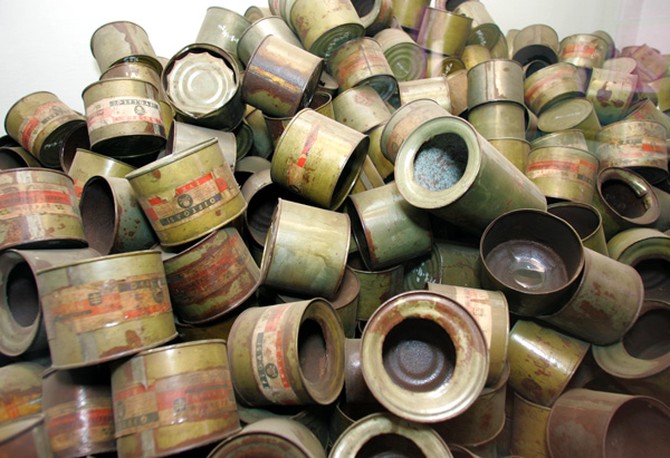
The grounds of Auschwitz house a museum of relics where evidence of the Nazi crimes against humanity is preserved behind a wall of glass. Visitors from around the world come to bear witness and pay their respects.
A case filled with empty Zyklon B cans is a haunting reminder of the poisonous gas used by the Nazis for killing prisoners on a massive scale. "When the gas chambers were full, an SS man put on the gas mask, went to the roof, opened the little window there and threw such a can into the gas chamber," Professor Wiesel explains. "Unspeakable pain and horror—that's how they were killed. Mothers and children hugging. ... The death factory became industrialized and industry worked well."
Published 05/24/2006
Get the Inspiration Newsletter
Soul-stirring features and interviews that nourish your spirit.
By entering your email address, you agree to our Terms of Use and acknowledge the Privacy Policy. OWN and its affiliates may use your email address to provide updates/news, ads, and offers.
To withdraw your consent or learn more about your rights, see the Privacy Policy.