


6 Groups of Women Most at Risk for Heavy Periods
Plus, what to do if you're dealing with the conditionâ€â€Âbecause you don't have to just go with the flow.
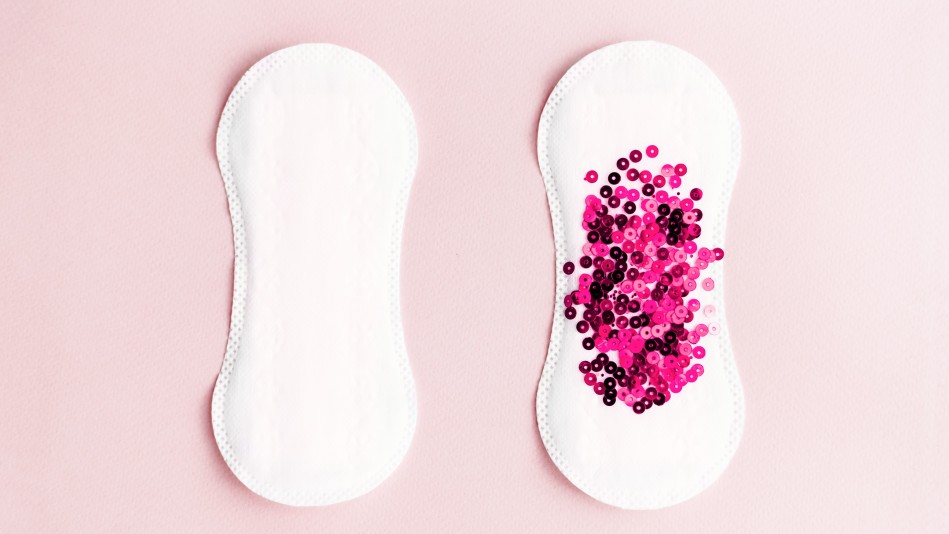
Photo: JULYPROKOPIV/Getty Images
For most women, periods are just a part of life—something to be regularly dealt with, but not that big of a hassle. However, for women with heavy periods (a condition clinically known as menorrhagia) that time of the month can be a lot more disruptive.
The official definition of a "heavy period," is bleeding more than 80 milliliters during a cycle, or just under three ounces, says Christine Greves, MD, an obstetrician-gynecologist at Orlando Health Winnie Palmer Hospital for Women and Babies. "Nobody really knows what that means," says Greves, "so I think of it this way: Do you soak through a pad or tampon every hour? Do you have to wake up in the middle of the night to change your tampon or pad? Do you avoid certain activities because of how heavy your flow is?" The Centers for Disease Control and Prevention (CDC) adds that a woman's period might also be considered "heavy" if it lasts longer than a week, since even if it's not super heavy, the longer you bleed, the closer you get to hitting that 80 milliliter mark.
If you can relate to these symptoms, you're likely in the 10 to 35 percent of American women who experience heavy periods. (Experts attribute that huge range to the fact that many women suffer through heavy periods without ever bringing it up to their doctor.) In addition to being frustrating to deal with, menorrhagia can lead to anemia, a condition marked by a lack of healthy red blood cells, which can leave you feeling weak, tired, and dizzy.
It's helpful to know that some women are at higher risk than others for experiencing menorrhagia. Here are six groups who are likelier to experience a heavy period—and what you can do if you're in one of them.
View the full story on Oprah Daily: 6 Groups of Women Most at Risk for Heavy Periods.


