
Photo: Thinkstock
Aches. Pains. Gashes. Sprains. Are you ready for anything? Here are four checklists to help you equip every corner of the house.
Medicine Chest:

This article is part of Oprah.com's 2011 Feel Good Challenge. Join now—and move closer to the life you want!
Next: What to stock your first-aid kit with
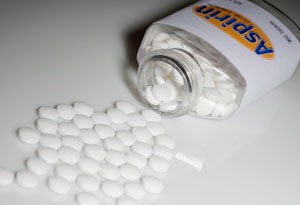
- To treat a fever or pain from headaches to minor sprains: acetaminophen (like Tylenol); a nonsteroidal anti-inflammatory drug, such as ibuprofen (Advil, Motrin); and aspirin. Avoid giving aspirin to children.
- To treat diarrhea: Imodium. Especially for children and the elderly, who can easily become dehydrated (but should not be given to children under 6 without a doctor's approval).
- A backup supply of routine medication. Asthmatics should keep extra metered-dose inhalers; people with severe allergic reactions should keep EpiPen (an auto injector that administers epinephrine) and antihistamines.
This article is part of Oprah.com's 2011 Feel Good Challenge. Join now—and move closer to the life you want!
Next: What to stock your first-aid kit with
From the January 2003 issue of O, The Oprah Magazine

Photo: Thinkstock
First-Aid Kit:
Next: 3 essentials to keep on hand in the kitchen
- For poisoning: activated charcoal, which slows the absorption of any chemicals or medications that may have been swallowed. (Do not administer unless instructed by your local poison control center).
- For treating small wounds: an antibacterial ointment that contains bacitracin, like Neosporin, but not hydrogen peroxide or alcohol, which may damage tissue in a wound.
- Band-Aids, gauze, sterile bandages and adhesive tape.
- An ACE bandage to provide compression and reduce swelling of a sprained ankle or knee.
- Thermometer.
- Tweezers.
Next: 3 essentials to keep on hand in the kitchen
From the January 2003 issue of O, The Oprah Magazine

Photo: Thinkstock
Kitchen:
Next: 4 important reminders to ensure your family's safety
- Ice packs, to reduce swelling from stings, strains or sprains, or other traumas. (Buy reusable or chemically activated cold packs from the drugstore or fill plastic bags with ice.
- An electrolyte solution like Gatorade or other sports drink to replenish fluids lost through diarrhea, vomiting or excessive perspiration.
- For diabetics, some form of sugar that can be rapidly absorbed, like fruit juice or sugar packets, in case blood sugar levels dip below normal.
Next: 4 important reminders to ensure your family's safety
From the January 2003 issue of O, The Oprah Magazine

Photo: Thinkstock
Important Reminders:
Take Care of Yourself!
- Check expiration dates on medication twice a year, and replace any old drugs.
- Keep the numbers of your family doctors, the local poison control center and emergency room near the phone.
- Write a short medical history of each family member and keep it accessible. So in an emergency situation, you will be able to tell medical staff relevant information about allergies, prescription medications and prior conditions or surgeries.
- There is no need to stock up on decongestants or cough syrup. Most people buy medication when they're sick; by the next time you fall ill, it may have expired.
Take Care of Yourself!
From the January 2003 issue of O, The Oprah Magazine
